Understanding Color Temperature: From Warm White to Cool Daylight (2700K - 6500K)
What is Color Temperature?
Imagine heating a theoretical "black body radiator." As it gets hotter, it glows: first red, then orange, yellow, white, and finally blue. The Kelvin scale assigns a numerical value based on the temperature (in Kelvin) at which the black body emits light of a comparable hue.
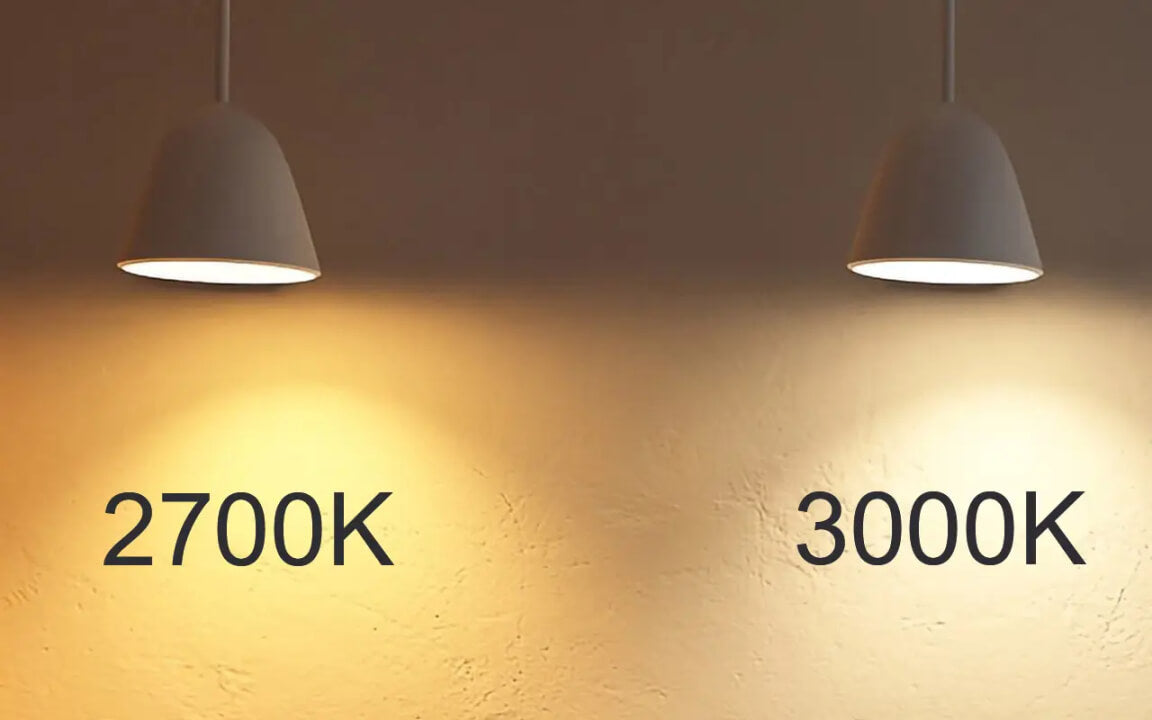
- Lower Kelvin (e.g., 2700K): Resembles the warm, reddish-yellow glow of candlelight or a setting sun. Perceived as warm light.
- Higher Kelvin (e.g., 6500K): Mimics the crisp, bluish-white light of a bright overcast sky or midday sun. Perceived as cool light.
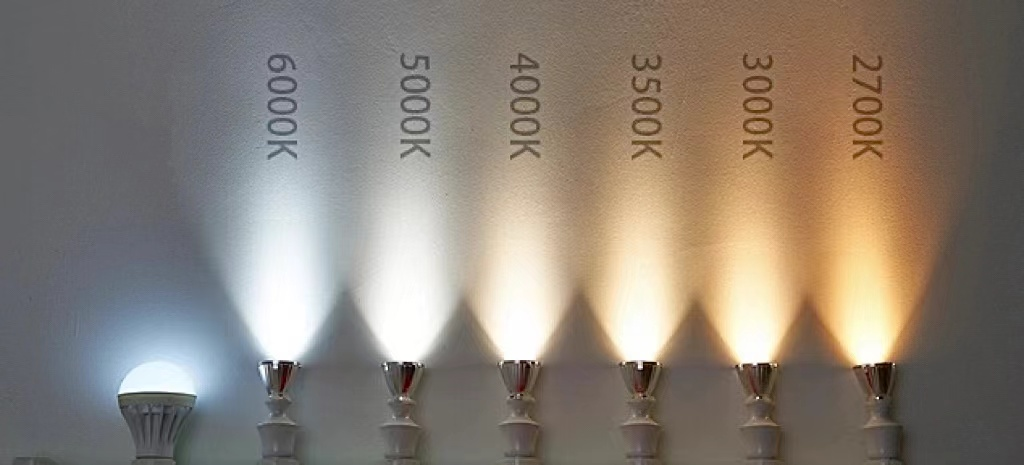
Breaking Down the 2700K to 6500K Range:
- Characteristics: Rich, inviting, relaxing, intimate. Strong yellow/amber tones.
- Feels Like: Sunset, candlelight, incandescent bulbs
- Best For: Living rooms, bedrooms, dining rooms (creating cozy, relaxing atmospheres).
Restaurants, cafes, hotel lobbies (promoting warmth and comfort).
Accent lighting to highlight warm materials like wood or brick.
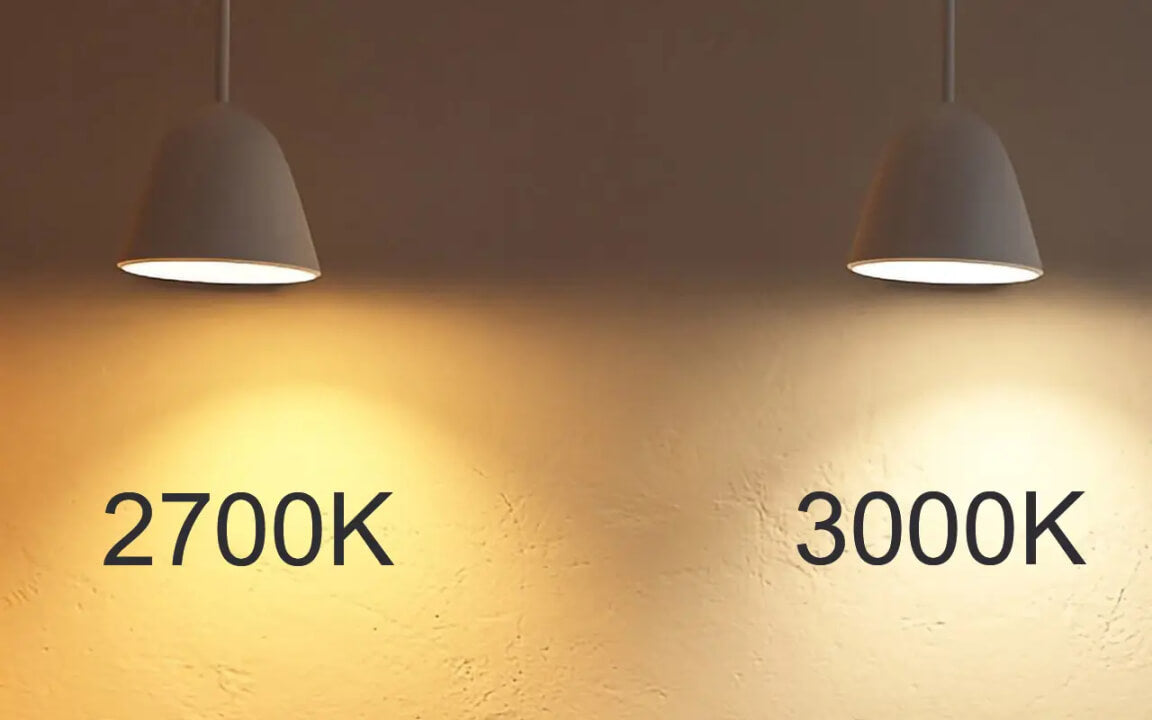
2、3100K - 4000K: Neutral White / Cool White
- Characteristics: Balanced, clean, natural. Minimizes yellow/blue extremes. Often called "bright white.
- Feels Like: Early morning or late afternoon sunlight.
- Best For: Kitchens, bathrooms, home offices (providing clarity without harshness). Retail stores, showrooms (showing products in a relatively neutral light). Office workspaces (good balance between alertness and comfort). Garages, workshops (good visibility without the starkness of cooler light).
- Characteristics: Bright, vibrant, stimulating. Noticeable blue-white tone.
- Feels Like: Mid-morning sunlight on a clear day.
- Best For: Task lighting in workshops, garages, or detailed craft areas. Retail environments highlighting cool colors (jewelry, electronics, glass). Some office environments requiring high focus and visual acuity. Security lighting.
- Characteristics: Very crisp, intense, bluish-white. Maximizes contrast and visual sharpness.
- Feels Like: Bright, midday, overcast sky or direct noon sun.
- Best For: Art studios, photography studios (matching natural daylight for color accuracy). Detailed inspection areas, laboratories, hospitals (requiring maximum visual clarity). Commercial displays, galleries (where precise color rendering is critical). Simulating daylight in windowless spaces.
Modern LED technology offers Tunable White or Correlated Color Temperature (CCT) lighting. These fixtures allow you to adjust the color temperature along the Kelvin scale (e.g., from 2700K to 6500K) within a single luminaire. This provides ultimate flexibility:
- Set warm light in the evening and cooler light during the workday.
- Create different moods in the same space.
- Dynamically adjust light to mimic the natural progression of daylight.
Conclusion:
The Kelvin scale from 2700K to 6500K offers a powerful palette for shaping light. From the warm, relaxing embrace of 2700K to the crisp, alert clarity of 6500K, each step along this scale creates distinct visual experiences and psychological effects. By understanding these differences and considering the application, desired mood, and surrounding environment, you can harness the power of color temperature to transform any space with light. Whether choosing fixed temperature bulbs or embracing the flexibility of tunable white, mastering this range is key to achieving optimal illumination.
About LED Wall pack Light
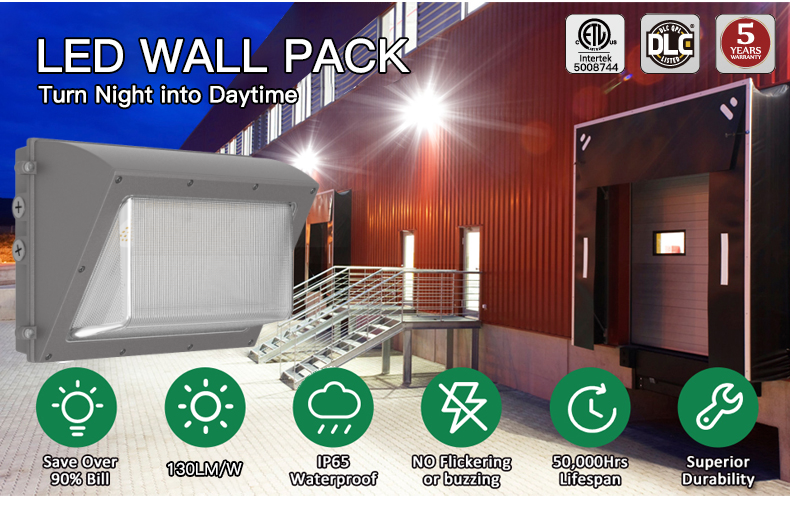
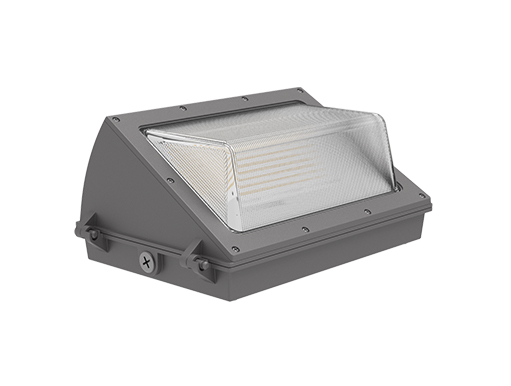
2025 Best LED Wall Pack Light - Safeguard your outdoor space